
Blog

Dental anxiety is a common issue that affects many people, making it difficult for them to attend regular dental appointments. Whether it’s the fear of pain, past negative experiences, or simply feeling uncomfortable in the dental chair, these emotions can prevent individuals from getting the care they need. The good news is that there are effective strategies to overcome dental anxiety and make your dental visits more comfortable and manageable. Here’s a guide to help nervous patients conquer their fear of the dentist.

1. Communicate Your Fears with Your Dentist

One of the most important steps in overcoming dental anxiety is communication. Let your dentist and their staff know about your fears, concerns, and any past experiences that may have contributed to your anxiety. Dentists are trained to work with nervous patients and can take extra steps to help you feel comfortable.

  • Discuss sedation options: Many dental offices offer sedation techniques like nitrous oxide (laughing gas), oral sedatives, or even IV sedation for more invasive procedures.
  • Set up a signal: Agree on a signal (such as raising your hand) to let your dentist know if you need a break or if you feel uncomfortable at any point during the procedure.

When you voice your concerns, your dentist can adjust the treatment approach to make you feel more at ease.

2. Bring a Friend or Family Member for Support

Having a trusted friend or family member accompany you to your appointment can provide emotional support and help ease your anxiety. They can distract you during the procedure, provide comfort, and help you feel more at ease in the dental environment.

  • Ask them to sit with you in the waiting area or even in the treatment room if your dentist allows it.
  • Practice relaxation techniques together before the appointment to help you calm down.

Knowing that someone you trust is there for support can make a big difference in how you feel during your dental visit.

3. Practice Relaxation and Breathing Techniques

Learning relaxation techniques can help reduce anxiety before and during your dental appointment. Deep breathing exercises, progressive muscle relaxation, and visualization techniques are all great ways to calm your nerves.

  • Deep breathing: Focus on taking slow, deep breaths to help reduce tension and relax your body.
  • Progressive muscle relaxation: Tense and release each muscle group in your body, starting from your toes and working your way up to your head. This helps release physical tension and promotes a sense of calm.
  • Visualization: Close your eyes and imagine yourself in a peaceful, relaxing environment to help distract yourself from the procedure.

You can practice these techniques before your appointment and use them during the visit to help reduce anxiety.

4. Choose a Dentist Who Specializes in Treating Anxious Patients

Not all dental practices are the same, and some dentists specialize in treating patients with dental anxiety. Look for a dentist who is compassionate, patient, and experienced in handling nervous patients. These dentists are more likely to be understanding of your fears and can create a more relaxed and comfortable environment.

  • Look for reviews and recommendations from other anxious patients to find a dentist who is known for their gentle approach.
  • Ask about their experience with sedation options and techniques for making dental visits more comfortable.

Choosing the right dentist can make a significant impact on your overall experience and help you feel more confident in seeking the care you need.

5. Take Control of Your Appointments

Taking small steps to gain control over your dental visits can help reduce anxiety. For instance, you can schedule your appointments for times when you’re less likely to feel rushed or stressed. You can also gradually build your comfort level with dental procedures.

  • Start with routine checkups and cleanings to ease into dental care. You can gradually progress to more complex procedures once you become more comfortable.
  • Consider scheduling shorter, less invasive appointments for procedures that don’t require extensive treatment, helping you build confidence over time.

Taking small steps to ease into dental visits can make each appointment feel less intimidating and help you gain a sense of control.

6. Focus on the Benefits of Good Oral Health

Remind yourself of the long-term benefits of good oral health. Regular dental visits help prevent tooth decay, gum disease, and other oral health issues. The more you understand the positive outcomes of attending dental appointments, the more motivated you may be to face your anxiety.

  • Think about your smile: Maintaining a healthy smile can boost your confidence and improve your overall well-being.
  • Consider the future: By attending regular dental checkups, you’re helping to prevent more serious dental issues that could lead to more invasive procedures down the line.

Focusing on the positive impact of dental care can shift your mindset and help you feel more positive about your appointments.

7. Consider Sedation Dentistry

For patients with severe dental anxiety, sedation dentistry can be a game-changer. This approach uses medication to help you relax during the procedure, and in some cases, you may even sleep through the entire treatment. There are several types of sedation available, including:

  • Nitrous oxide (laughing gas): A mild sedative that helps you relax but still allows you to remain awake and alert.
  • Oral sedatives: Pills that can be taken before your appointment to help you feel calm and relaxed.
  • IV sedation: A deeper form of sedation administered through an IV, which allows you to be more deeply relaxed during your procedure.

Consult your dentist about sedation options to see if this is the right solution for your needs.

Conclusion

Dental anxiety is common, but with the right strategies, you can overcome your fear and receive the dental care you need. By communicating with your dentist, practicing relaxation techniques, choosing the right dental practice, and considering sedation options, you can make your dental visits much more manageable. Don’t let dental anxiety prevent you from maintaining a healthy smile—take the first step toward overcoming your fear and make your next appointment a positive experience!
Gum disease is a common yet preventable condition that affects millions of people worldwide. If left untreated, gum disease can lead to tooth loss and serious health complications. Fortunately, with the right care and habits, you can keep your gums healthy and avoid this painful and costly problem. Here are the top 5 tips to help prevent gum disease and maintain strong, healthy gums.

1. Brush Your Teeth Twice a Day with the Right Technique

Brushing your teeth is one of the most effective ways to prevent gum disease. It helps remove plaque buildup, which is the primary cause of gum disease. However, it’s important to brush correctly:

  • Use a soft-bristled toothbrush and fluoride toothpaste.
  • Brush for at least two minutes, making sure to reach all surfaces of your teeth and gums.
  • Brush along the gumline to remove plaque where your teeth meet your gums.

Brushing twice a day—once in the morning and once before bed—is crucial for maintaining gum health. Don’t forget to replace your toothbrush every three to four months, or sooner if the bristles are frayed.

2. Floss Daily to Remove Hidden Plaque

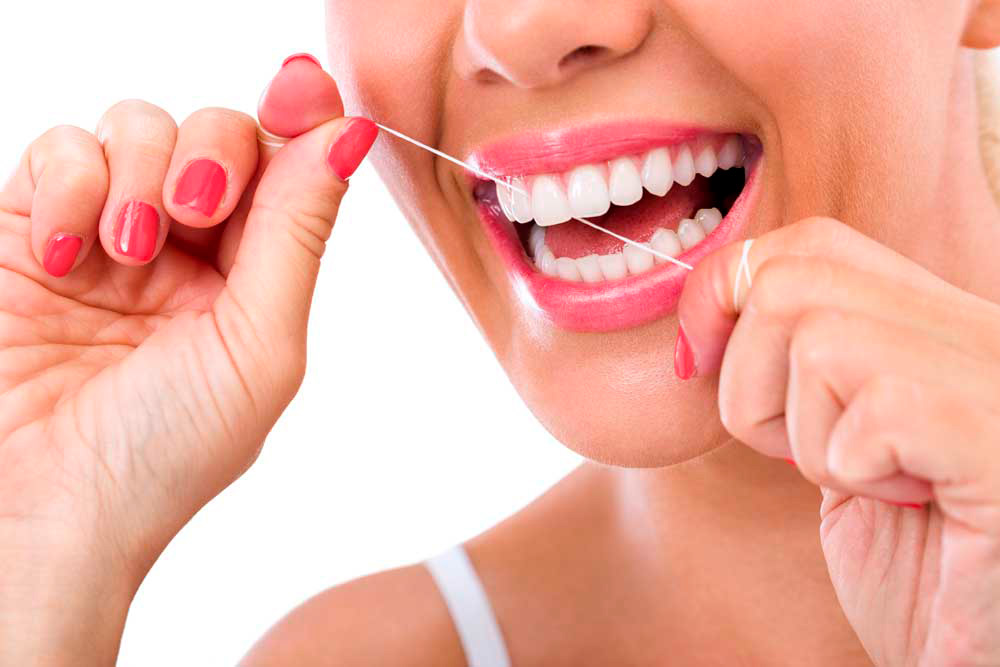
While brushing removes plaque from the surface of your teeth, flossing is the only way to remove plaque and food particles from between your teeth and below the gumline. Flossing daily prevents plaque from turning into tartar, which can only be removed by a dentist or hygienist.

  • Use about 18 inches of dental floss and wrap it around your fingers, gently sliding it between each tooth.
  • Be careful not to snap or force the floss between your teeth, as this can damage your gums.

Flossing daily is a simple yet highly effective way to prevent gum disease and promote healthy gums.

3. Use Mouthwash to Kill Bacteria and Freshen Breath

Mouthwash is an excellent addition to your oral hygiene routine, as it helps kill harmful bacteria that can cause gum disease. Look for an antibacterial mouthwash that contains ingredients like chlorhexidine or cetylpyridinium chloride. These help reduce plaque and prevent gingivitis, an early form of gum disease.

  • Use mouthwash after brushing and flossing, following the instructions on the bottle.
  • Avoid mouthwashes with alcohol, as they can dry out your mouth and irritate your gums.

Mouthwash helps freshen your breath while providing an extra layer of protection for your gums and teeth.

4. Maintain a Healthy Diet Rich in Nutrients

Your diet plays a significant role in the health of your gums. A diet rich in vitamins and minerals strengthens your immune system, helping your body fight off infections, including gum disease. Key nutrients for gum health include:

  • Vitamin C: Helps protect gums and tissues from damage. Found in citrus fruits, strawberries, and leafy greens.
  • Calcium: Strengthens bones and teeth, promoting healthy gums. Found in dairy products, leafy greens, and fortified plant-based milk.
  • Omega-3 fatty acids: Reduce inflammation in the gums. Found in fatty fish like salmon, walnuts, and flaxseeds.

Avoid sugary and processed foods, as they contribute to plaque buildup and increase the risk of gum disease.

5. Visit Your Dentist Regularly for Professional Cleanings

Even with excellent at-home care, plaque and tartar can accumulate in hard-to-reach areas of your mouth. That’s why it’s important to visit your dentist regularly for professional cleanings. Your dentist will remove built-up plaque and tartar, check for early signs of gum disease, and provide personalized advice for maintaining healthy gums.

  • Aim for a dental check-up and cleaning every six months.
  • If you have a history of gum disease or other oral health concerns, your dentist may recommend more frequent visits.

Regular dental check-ups help catch gum disease in its early stages, ensuring that you receive prompt treatment before it progresses.

Conclusion

Preventing gum disease starts with taking proactive steps to maintain good oral hygiene and healthy habits. By brushing and flossing regularly, using mouthwash, eating a nutritious diet, and visiting your dentist regularly, you can keep your gums healthy and avoid the risk of gum disease. Remember, healthy gums are the foundation for a healthy smile, so make these tips part of your daily routine for a lifetime of oral health!

When it comes to maintaining optimal oral health, scaling and polishing are two of the most effective treatments that often get overlooked. These simple yet powerful procedures can go a long way in ensuring your teeth and gums stay healthy and radiant for years to come. Let’s dive into why scaling and polishing are essential for long-lasting oral health.

What is Scaling?

Scaling is a dental procedure that involves the removal of plaque, tartar, and bacteria from the surfaces of your teeth, particularly below the gumline. Plaque is a sticky film of bacteria that forms on your teeth, and when it hardens, it turns into tartar (also known as calculus). Tartar can only be removed by a dental professional using specialized tools.

Why is Scaling Important?

  1. Prevents Gum Disease: Plaque and tartar buildup are major contributors to gum diseases like gingivitis and periodontitis. Scaling helps to remove these deposits, preventing inflammation and infection in the gums, which can lead to more serious health issues.
  2. Reduces Cavities: The bacteria in plaque produce acids that can erode your tooth enamel, leading to cavities. By removing the plaque buildup, scaling lowers the risk of cavities and tooth decay.
  3. Fights Bad Breath: Plaque and tartar contribute to persistent bad breath (halitosis). Scaling removes these deposits, helping to eliminate the bacteria responsible for the unpleasant odor and leaving your mouth feeling fresh.
  4. Maintains Overall Oral Health: Scaling is essential in maintaining a clean mouth. Regular professional cleanings ensure that harmful substances are eliminated, reducing the risk of oral infections and promoting overall oral hygiene.

What is Polishing?

Polishing is the final step after scaling, where your dentist or hygienist smooths the surfaces of your teeth to remove any remaining plaque or stains. Polishing helps restore the natural shine of your teeth and makes it harder for plaque to accumulate in the future.

Why is Polishing Important?

  1. Enhances Tooth Appearance: Polishing leaves your teeth with a smooth, shiny surface, improving their appearance by removing surface stains caused by coffee, tea, and smoking. This can give you a brighter, more confident smile.
  2. Makes Teeth More Resistant to Plaque: The smooth surface of polished teeth is less likely to attract plaque buildup. This makes your daily brushing routine more effective in keeping your teeth clean.
  3. Promotes Long-Term Oral Health: Polishing doesn’t just make your teeth look great—it also helps protect them in the long run. By reducing rough areas where plaque can accumulate, polishing contributes to healthier teeth and gums.

How Often Should You Get Scaling & Polishing?

The frequency of scaling and polishing depends on your individual oral health needs. Most people should get a professional cleaning at least once every six months, but if you have gum disease, a history of cavities, or other oral health concerns, your dentist may recommend more frequent visits.

Conclusion

Scaling and polishing are essential components of a comprehensive oral care routine. These simple procedures remove harmful plaque and tartar, brighten your smile, and help prevent gum disease and cavities. By incorporating scaling and polishing into your regular dental visits, you can ensure that your teeth remain healthy, clean, and radiant for years to come. So don’t wait—schedule your next cleaning today and take a big step toward long-lasting oral health!

Dental checkups are often seen as just a routine visit to the dentist, but they are far more important than most people realize. Many individuals only seek dental care when they experience pain or discomfort, but regular dental checkups play a crucial role in maintaining overall health. Here’s why they are so important:

  1. Preventing Tooth Decay and Gum Disease Regular dental checkups allow your dentist to detect early signs of tooth decay, cavities, or gum disease before they become severe. Catching these problems early can help prevent more extensive and costly treatments in the future.
  2. Maintaining Oral Hygiene Even with regular brushing and flossing, there are areas of your mouth that can be hard to clean effectively. During a dental checkup, your dentist can clean those hard-to-reach areas and remove plaque and tartar buildup, which reduces the risk of tooth decay and gum disease.
  3. Preventing Bad Breath One common issue people may not talk about is chronic bad breath (halitosis). A regular dental checkup helps identify the root causes of bad breath, which could be due to tooth decay, gum disease, or other oral health conditions. Addressing the problem early can lead to fresher breath and better overall health.
  4. Early Detection of Oral Cancer Oral cancer can develop without obvious symptoms, but your dentist is trained to recognize early signs that might otherwise go unnoticed. Detecting oral cancer early increases the chances of successful treatment and recovery.
  5. Preserving Your Smile Regular checkups ensure that your teeth and gums are in top condition. This not only keeps your smile looking great but also helps with chewing, speaking, and overall comfort. If left untreated, dental issues can affect your ability to perform these basic functions.
  6. Saving Money in the Long Run Preventive care is always more cost-effective than treatment. By catching issues early during routine checkups, you can avoid expensive procedures like root canals, extractions, or surgeries.
  7. Building a Relationship with Your Dentist Regular visits help build a long-term relationship with your dentist, which means they’ll be familiar with your dental history and specific needs. This can lead to personalized care and a better overall dental experience.

Conclusion Regular dental checkups are essential to maintaining not just your oral health but your overall well-being. They help prevent dental issues before they worsen, promote a brighter smile, and give you peace of mind knowing that your oral health is in good hands. Make it a priority to visit your dentist regularly for a checkup – your smile will thank you for it!

Good dental health is essential for overall well-being, but it is often surrounded by myths and misconceptions. Here, we debunk 10 common dental health myths with insights from experts to set the record straight.

Myth 1: Brushing Harder Cleans Better

Truth: Many people believe that brushing their teeth with more force will remove plaque and stains more effectively. However, experts warn that brushing too hard can damage tooth enamel and irritate gums, leading to sensitivity and gum recession. Use a soft-bristled toothbrush and gentle circular motions for the best results.


Myth 2: Sugar is the Only Cause of Cavities

Truth: While sugar is a significant contributor to cavities, it’s not the sole cause. Cavities form when bacteria in your mouth produce acid that erodes tooth enamel. Poor oral hygiene, acidic foods, and beverages, along with infrequent dental check-ups, also play a role.


Myth 3: If Your Gums Bleed, Stop Brushing

Truth: Bleeding gums are often a sign of gum inflammation or gingivitis, caused by plaque buildup. Instead of stopping, maintain gentle brushing and flossing while ensuring proper oral hygiene. If the problem persists, consult a dentist.


Myth 4: You Don’t Need to See a Dentist Unless You Have Pain

Truth: Waiting for pain to visit a dentist can lead to severe issues. Regular check-ups help detect problems early, such as cavities, gum disease, or oral cancer, even before symptoms appear. Experts recommend visiting a dentist every six months.


Myth 5: White Teeth are Healthy Teeth

Truth: White teeth don’t always indicate good oral health. Teeth can be naturally yellowish but perfectly healthy. Additionally, overusing whitening products can weaken enamel. Focus on overall oral hygiene rather than just aesthetics.


Myth 6: Flossing is Optional

Truth: Brushing cleans the surface of your teeth, but flossing removes food particles and plaque from between them. Skipping flossing can lead to cavities and gum disease in areas your toothbrush can’t reach. Experts emphasize that flossing daily is crucial.


Myth 7: Bad Breath Means Poor Hygiene

Truth: While poor oral hygiene can cause bad breath, other factors like dry mouth, certain foods, medications, and underlying medical conditions can also contribute. Regular dental check-ups can help identify the cause.


Myth 8: Baby Teeth Don’t Matter Because They Fall Out

Truth: Baby teeth act as placeholders for permanent teeth. If they are lost too early due to decay, it can lead to alignment issues and affect speech development. Caring for baby teeth is just as important as adult teeth.


Myth 9: Chewing Gum Can Replace Brushing

Truth: Sugar-free gum can help stimulate saliva production, which neutralizes acids and cleans the mouth to some extent. However, it’s no substitute for brushing and flossing. Experts recommend using gum as a supplement, not a replacement.


Myth 10: Aging Causes Tooth Loss

Truth: Tooth loss is not an inevitable part of aging. With proper care, including brushing, flossing, a healthy diet, and regular dental visits, your teeth can last a lifetime. Gum disease and neglect are the primary reasons for tooth loss, not age.


Conclusion: Understanding the facts about dental health is vital for maintaining a healthy smile. By debunking these myths and following expert advice, you can avoid common pitfalls and ensure optimal oral hygiene. Don’t let myths steer you away from proper dental care — consult your dentist regularly and prioritize your oral health.

Scroll to Top